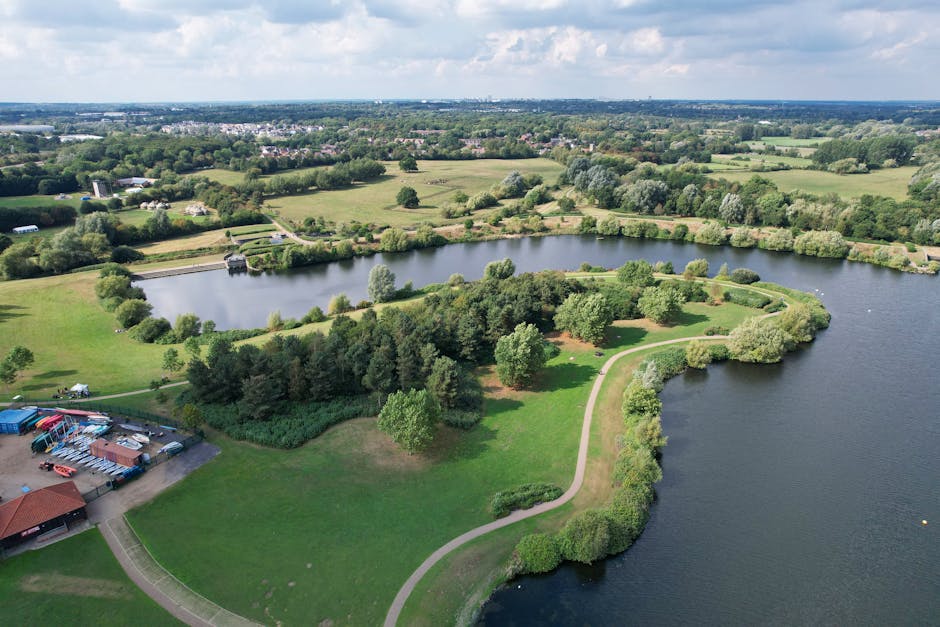
Landmark clean up case study Willen Lake rubbish removal
If you are looking at a Landmark clean up case study Willen Lake rubbish removal, you are probably trying to understand what a proper site clearance looks like in the real world: what gets removed, how the work is planned, what risks can crop up, and how to keep the job tidy from start to finish. That is fair enough. Rubbish removal sounds simple until you are standing beside a mixed pile of debris, tired furniture, bags of waste, and the awkward question of where everything should go next.
This guide breaks the topic down in a practical, human way. It explains why a landmark clean-up matters, how the process usually works, who it helps, and what to watch out for if you are organising a similar clearance around Willen Lake or a nearby Milton Keynes site. You will also find a step-by-step approach, a comparison of removal options, a checklist, and plain-English guidance on compliance, recycling, and safety. No fluff. Just the useful stuff.
Contents
- Why this clean-up matters
- How the rubbish removal process works
- Key benefits and practical advantages
- Who this is for and when it makes sense
- Step-by-step guidance
- Expert tips for better results
- Common mistakes to avoid
- Tools, resources and recommendations
- Law, compliance and best practice
- Options and comparison
- Case study and real-world example
- Practical checklist
- Conclusion
- Frequently asked questions
Why Landmark clean up case study Willen Lake rubbish removal Matters
A clean-up at a landmark location is not just about making things look neat. It affects how people experience the place, how safe the area feels, and how smoothly the next phase of work can happen. Around a public-facing location like Willen Lake, rubbish and leftover materials can quickly become more than an eyesore. They can create trip hazards, attract fly-tipping, interfere with foot traffic, and make it harder to keep the site looking cared for.
That is why a structured clean-up approach matters. The job is not simply "load and leave". It is sorting, lifting, separating, transporting, and disposing of waste in a way that is efficient and responsible. In practice, this means thinking about mixed waste, bulky items, recyclables, and any material that needs extra care. A good removal plan saves time, yes, but it also reduces the chance of repeat visits and messy backtracking. Nobody wants that on a busy day.
For customers, the bigger picture is reassurance. If you are clearing an area near a lake, parkland, car park, commercial unit, or residential boundary, you want a team that can work quickly without making a fuss. You also want to know the waste will be handled properly. That is where a reliable service like waste removal support and thoughtful recycling practices come into play.
How Landmark clean up case study Willen Lake rubbish removal Works
Most successful rubbish removal projects follow a fairly steady rhythm. The details vary depending on access, volume, and the kind of waste involved, but the overall process is usually straightforward once it is planned properly.
First comes the assessment. This is where you identify the type of waste, the amount, whether anything is reusable, and how easy it is to access the site. On a landmark or waterside job, access can be the thing that trips people up. Parking, distance from loading points, and the presence of pedestrians all affect the plan. A job that looks manageable from ten feet away can feel very different once you are moving heavy items across uneven ground. Let's face it, the site always tells its own story.
Next comes sorting. Mixed rubbish may include general waste, wood, cardboard, metals, garden cuttings, old furniture, broken fixtures, or building leftovers. The better the segregation, the better the disposal outcome. It also helps with recycling, which is increasingly expected rather than optional in many clearance jobs.
Then comes the physical removal. Teams will usually work methodically from the most awkward or bulky items through to smaller loose waste. That makes the area safer as the job progresses. It also reduces the chance of damaging surfaces or leaving debris behind. A good crew does not just "collect"; they sweep through the space with a finish in mind.
Finally, the waste is transported for responsible disposal or reuse where possible. Depending on the waste type, that can include transfer to a licensed facility, reuse channels, or specialist handling. If you are arranging clearance for a property or business alongside the clean-up, services such as home clearance, house clearance, or business waste removal may be relevant to the wider job.
Key Benefits and Practical Advantages
A well-run landmark clean-up gives you more than a tidy space. It reduces friction, saves labour, and makes the whole site easier to manage. The benefits show up quickly, sometimes the same day.
- Faster recovery of the space: clear ground means the area can return to normal use sooner.
- Better safety: less loose waste means fewer slips, trips, cuts, and obstructions.
- Improved presentation: this matters a lot at visible public or semi-public locations.
- Less stress for the client: one organised clearance is easier than piecing the job together in stages.
- More responsible disposal: sorting waste properly makes recycling and reuse far more realistic.
- Fewer delays: a planned job reduces the chance of missed items or surprise access problems.
There is also a softer benefit that people sometimes overlook. A good clean-up takes pressure off everyone involved. Staff, property managers, contractors, and residents all feel the difference when a site is reset properly. The atmosphere changes. It sounds obvious, but you notice it straight away when an area stops looking neglected.
For bulkier items, it can help to think in categories. Furniture, for example, can often be moved more efficiently through a dedicated furniture clearance or furniture disposal route, while leftover outdoor waste may sit better within a garden clearance or broader waste plan.
Who This Is For and When It Makes Sense
This sort of clean-up is useful for a wide range of people. It is not only for councils or big contractors. In real life, the need often comes from a mixed bag of situations.
- Property owners who need a site cleared before selling, letting, or refurbishing.
- Facility managers handling rubbish left behind after events, maintenance, or tenant changes.
- Contractors who need debris and leftover materials removed from a work area.
- Local businesses that want a tidy frontage or a safe rear access route.
- Householders dealing with bulky waste after a clear-out, move, or renovation.
It also makes sense when a site has awkward waste that is too bulky, too mixed, or too time-sensitive for ad hoc disposal. A small job can become a long one if you are not set up for lifting, loading, and sorting. That is especially true in spaces where access is narrow, parking is limited, or the waste is spread out over a larger area.
If your project involves more than just loose rubbish, it may be worth looking at the broader service fit. For example, a flat with cluttered rooms could need flat clearance, a garage full of awkward leftovers could need garage clearance, and a loft stuffed with old packaging or broken items may be better handled through loft clearance. Different spaces, different headaches. Same basic need: get it gone properly.
Step-by-Step Guidance
If you are planning a landmark clean-up or comparing providers, this is the practical sequence to follow. Keep it simple and you will save yourself a fair bit of grief.
- Walk the site first. Note what needs removing, how it is distributed, and whether there are access or safety issues.
- Separate obvious waste types. Keep furniture, green waste, rubble, and general rubbish distinct if possible.
- Check for anything restricted. Some waste types need careful handling or a specialist approach.
- Plan the route. Think about loading points, vehicle access, parking, and the shortest safe path out.
- Choose the right clearance option. A small domestic clear-out is very different from a business or builders' waste job.
- Confirm how disposal will happen. Ask what is recycled, what is reused, and what goes to general disposal.
- Schedule the work at the right time. Early starts or quieter windows can make a big difference near public spaces.
- Do a final sweep. Once the main waste is gone, check corners, edges, and hidden spots. That last look matters more than people think.
A useful habit is to photograph the site before work starts. Not because you need to make it dramatic, but because it creates a simple record of what was there and what was removed. Handy when there are multiple stakeholders. Handy when memory gets fuzzy too, which it does.
Expert Tips for Better Results
Experience teaches a few small things that make a big difference. The first is to clear the access route before tackling the main pile. If the path out is blocked, every item takes longer. The second is to start with the heaviest or most awkward objects while everyone is fresh. You will feel the job move faster almost immediately.
Another tip: do not underestimate the value of sorting at source. A mixed pile can be handled, sure, but separating metal, wood, cardboard, and general waste often improves turnaround and disposal efficiency. It also supports better recycling outcomes, which many clients now want to prioritise. If sustainability matters to you, it is worth reviewing a provider's approach to recycling and sustainability before the job starts.
One more thing. Be realistic about time. People often think a tidy-looking site will clear in no time. Then they discover half the waste is hidden under tarps, behind planters, or stacked in a way that makes lifting awkward. Happens all the time.
Expert summary: The best clean-ups are not the fastest in theory; they are the ones planned around access, sorting, and safe lifting. A calm, methodical job nearly always beats a rushed one.
Common Mistakes to Avoid
Some problems show up again and again on rubbish removal jobs. The good news is that most are easy to avoid if you know what to look for.
- Starting without a walk-through: you end up guessing the scale of the job.
- Ignoring access issues: narrow gates, steps, or limited parking can slow everything down.
- Mixing waste types unnecessarily: this makes sorting more awkward later.
- Leaving fragile materials loose: broken glass, sharp metal, and splintered timber are best contained.
- Forgetting the final sweep: small debris left behind can make the whole job feel unfinished.
- Choosing the wrong service type: a domestic clearance team may not be the best fit for a builder-led waste problem.
There is also the classic mistake of assuming "anything will do" for disposal. It will not. Responsible handling matters, especially where waste is being taken offsite. If you are comparing options for a mixed project, it helps to think carefully about whether the job needs builders waste clearance, a more general waste removal service, or a room-by-room approach like home clearance.
Tools, Resources and Recommendations
You do not need a giant toolkit to understand or manage a clean-up properly, but a few practical resources help a great deal.
- Basic site checklist: use it to record waste types, access points, and risks.
- Camera or phone photos: useful for documenting condition before and after.
- Gloves, hi-vis, and sturdy footwear: sensible on almost any mixed-waste site.
- Trolleys or lifting aids: especially helpful for bulky furniture or awkward bags.
- Clear briefing notes: a short, plain-English plan keeps everyone aligned.
For service planning, the most useful internal reference points are often the practical ones. If you are comparing support for a wider household or business project, these pages can help frame the job: house clearance, office clearance, and furniture disposal. They are relevant because many landmark clean-ups turn into a mix of several smaller clearance needs.
If you are weighing cost, it is sensible to review pricing and quotes early. Transparent pricing helps you understand what is included, what may change the price, and whether the quote reflects the actual workload rather than a guess.
Law, Compliance, Standards, or Best Practice
Waste removal in the UK is an area where good practice really matters. You do not need to become a legal specialist, but you do need to work with a provider that takes waste handling seriously and follows sensible standards.
In plain terms, the main points are straightforward: waste should be collected responsibly, transported properly, and disposed of through appropriate routes. If a job involves mixed waste near a public or sensitive location, clear handling procedures are especially important. This includes keeping the site safe for people nearby, avoiding obstruction, and managing sharp or heavy items in a controlled way.
Health and safety also matters more than people sometimes expect. Lifting techniques, protective gear, good communication, and a sensible approach to site hazards all reduce risk. If the job is part of a larger works programme, coordination with other trades or site staff can prevent crossed wires and repeat handling. For an overview of this side of the work, it is worth reviewing health and safety policy information and related insurance and safety details before work begins.
For clients who care about wider responsibility, sustainability is not a side note. It is increasingly part of the decision. Reuse, recycling, and careful segregation should be built into the process rather than added at the end. In other words, the best clean-up is the one that leaves the site tidy and the waste handled with some respect. That is the standard worth aiming for.
For businesses and landlords, it may also help to understand the provider's basic terms and service expectations through terms and conditions and operational policies. Not glamorous reading, admittedly, but useful. Very useful, actually.
Options, Methods, or Comparison Table
There is more than one way to clear rubbish from a site. The best method depends on scale, urgency, and what kind of waste you are dealing with. Here is a simple comparison.
| Method | Best for | Strengths | Watch-outs |
|---|---|---|---|
| Manual DIY clearance | Very small jobs with light waste | Low direct cost, flexible timing | Time-consuming, labour-heavy, disposal can be awkward |
| Dedicated waste removal crew | Mixed rubbish, bulky items, time-sensitive jobs | Fast, organised, less disruption | Needs clear briefing and site access |
| Specialist clearance service | Homes, garages, offices, lofts, or furniture-heavy jobs | Good for structured sorting and efficient loading | Must match the service to the waste type |
| Builder-led debris clearance | Renovations or construction leftovers | Works well for rubble and trade waste | Not ideal for household clutter or mixed domestic items |
In many real-world clean-ups, the answer is a hybrid. A site might need a bit of furniture removal, some builder's waste handling, and a general rubbish sweep. That is normal. Messy, but normal.
Case Study and Real-World Example
Here is a practical example of how a landmark clean-up style job typically plays out. Imagine a visible lakeside or public-facing area where mixed rubbish has gathered after ongoing use, small maintenance work, or a temporary build-out. There are loose bags, a few bulky items, some general debris, and a couple of awkward objects that need two people to lift safely.
The first step is a calm site walk. The team notes where the waste is concentrated, which routes are safest, and what needs to come out first. Anything sharp or unstable is dealt with early. Bulky items are lifted next, because once they are gone, the rest of the job becomes far easier. There is a quiet logic to it. You can hear it in the way the site changes as the clutter comes off the ground.
After that, the waste is grouped for efficient loading and disposal. Recyclable materials are separated where possible. The surrounding area is checked again, especially around edges and under fixed items where debris likes to hide. Then comes a final walk-back through the space. This part is often the most satisfying, if I am honest. It is the moment the site stops looking like a problem and starts looking like itself again.
If the job extends beyond one area, the same approach can be adapted for garden clearance, garage clearance, or a fuller property reset through home clearance. Different setting, same discipline: assess, sort, remove, tidy, confirm.
The practical takeaway is simple. A clean-up does not need to be dramatic to be effective. It needs to be organised. That is what makes the difference between a one-off fix and a repeat headache.
Practical Checklist
Use this checklist before and during the job. It keeps things moving and helps avoid the kind of last-minute surprises that nobody enjoys.
- Confirm the scope of the rubbish removal.
- Identify bulky, heavy, or awkward items early.
- Check access, parking, gates, stairs, and loading points.
- Separate general waste from recyclable material where possible.
- Look for sharp, broken, wet, or unstable items that need care.
- Agree the disposal route and expected handling method.
- Make sure the site briefing is simple and clear.
- Prepare for a final sweep after the main removal.
- Keep photos or notes if the work involves multiple stakeholders.
- Review the provider's pricing, safety, and policy information before booking.
Small checklist, big difference. Seriously.
Get a free quote today and see how much you can save.
Conclusion
A landmark clean-up near Willen Lake is really about restoring order in a space that people notice. It may be a public area, a private site, a business frontage, or part of a larger property project, but the principles stay the same: assess properly, remove waste safely, sort where possible, and leave the site better than you found it.
If you remember only one thing, make it this: the best rubbish removal is the kind that feels calm to the client and invisible to everyone else. No drama, no mess left behind, no awkward half-finished pile waiting for tomorrow. Just a clean result and the quiet relief that comes with it. Lovely, really.
For anyone planning a similar job, the next sensible step is to compare the scope of the waste with the right service pages, check the practical details, and choose a provider that treats safety and sustainability as part of the job, not an afterthought.
Frequently Asked Questions
What does a Landmark clean up case study Willen Lake rubbish removal usually involve?
It usually involves clearing mixed rubbish, bulky items, and leftover debris from a visible site or landmark area, then sorting and disposing of the waste responsibly.
How is this different from a normal rubbish collection?
A normal collection may be simpler and more routine. A landmark clean-up often needs better planning, more attention to access, and a tidier final finish because the site is more visible.
Can the work include furniture or bulky household items?
Yes. In many cases, it can overlap with furniture clearance or furniture disposal if those items are part of the waste mix.
What should I prepare before booking a clean-up?
Prepare a quick site walk-through, photos if useful, a rough list of waste types, and any access details such as parking, gates, stairs, or restricted hours.
Is recycling included in rubbish removal?
It should be considered part of good practice. Many jobs can include sorting for recycling, depending on the waste type and how mixed the load is.
How do I know if I need builders waste clearance instead?
If the rubbish is mainly from construction, renovation, or repair work, then builders waste clearance is often the better fit.
What if the area is hard to access?
That is common, especially around public or semi-public sites. Good planning, shorter carrying routes, and the right crew size make a big difference.
Can this kind of work help with business premises too?
Yes. Offices, shops, and other commercial spaces often need a similar approach, especially where there is bulky waste or a need to work with minimal disruption.
How do pricing and quotes usually work?
Pricing normally depends on waste volume, access, labour required, and disposal complexity. Reviewing pricing and quotes information helps set expectations early.
What safety checks matter most on a clean-up job?
The big ones are safe lifting, clear access, protective equipment, awareness of sharp or unstable items, and a sensible plan for moving waste through the site.
Do I need to worry about compliance?
Yes, in the sense that waste should be handled responsibly and safely. You do not need to manage the technical side yourself, but you should choose a provider that does.
Who do I contact if I want help with a similar job?
If you are ready to talk through a similar clearance, start with the main site pages and use the provider's contact route to discuss the waste type, access, and timing. A short conversation upfront usually saves a lot of back-and-forth later.